
 Reclaiming the Divine Feminine: Parthenogenesis and the Female-Centric Origin Story
In a world where patriarchal narratives have long dominated our understanding of history, spirituality, and science, voices like Dr. Delbert Blair and Dr. Marguerite Rigoglioso offer a refreshing and empowering perspective. And a questioning of all our ‘programming’!!
They invite us to reconsider the origins of life, the role of women, and the potential of the human body and spirit.
Dr. Delbert Blair, a renowned metaphysician and historian, posited that women, particularly Black women, are the original beings from whom men descended. He emphasized the physical and mental superiority of the female body, highlighting women’s greater endurance, adaptability, and cognitive abilities. Blair challenged conventional medical and religious beliefs, particularly those surrounding menstruation.
One of his most provocative assertions is that ancient women, especially those with “knowledge of self” and high alkaline diets, did not menstruate and were capable of parthenogenesis—or virgin birth. This concept suggests that women could reproduce without male involvement, a notion that has profound implications for our understanding of human origins and the potential of the female body.
Dr. Marguerite Rigoglioso: Exploring the Mystery Tradition of Virgin Births
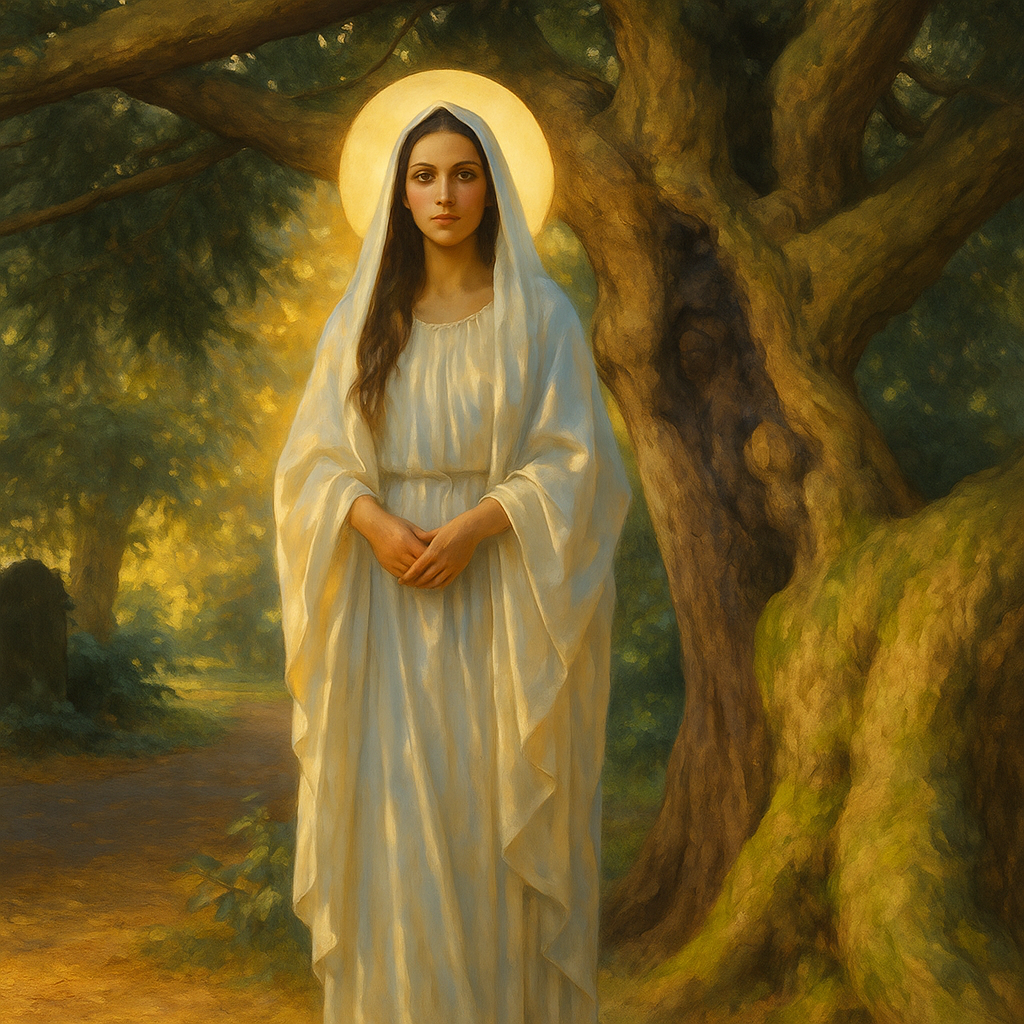
Dr. Marguerite Rigoglioso, an esoteric scholar on virgin birth, delves deep into the concept of parthenogenesis in her books, The Secret Life of Mother Mary and The Mystery Tradition of Miraculous Conception. She presents a bold vision of Mother Mary not as a passive recipient of divine will but as a conscious spiritual master who belonged to a lineage of priestesses trained in the art of divine conception.
Rigoglioso’s research suggests that Mother Mary was part of a tradition where women consciously conceived elevated beings to aid humanity. This perspective reframes the narrative of the Virgin Birth, positioning it not as a miraculous exception but as a testament to the latent spiritual and biological capabilities of women.
Parthenogenesis: Scientific Perspectives
Parthenogenesis, derived from the Greek words for “virgin” and “creation,” refers to a form of asexual reproduction where an embryo develops without fertilization. While common in certain plants and invertebrates, and observed in some reptiles and fish, it’s not known to occur naturally in humans. Scientific studies have shown that in mammals, genomic imprinting—a process where certain genes are expressed in a parent-of-origin-specific manner—prevents natural parthenogenesis.
cell.com
However, in 2004, Japanese researchers successfully created a fatherless mouse using modified genetic techniques, challenging the belief that mammalian parthenogenesis was impossible. While this doesn’t equate to natural human parthenogenesis, it opens doors to discussions about the potential capabilities of the female body and the boundaries of reproductive science.
The narratives presented by Blair and Rigoglioso urge a re-evaluation of societal norms that have historically suppressed the power and origin of the feminine. They advocate for a shift towards higher consciousness, natural living, and a recognition of the divine feminine’s role in creation and spiritual evolution.
By looking into these perspectives, we are invited to honour the sacredness of the female body, acknowledge the historical and spiritual significance of women, and embrace a more inclusive and empowering understanding of our origins.
Some Info on Historical and Contemporary Women-Centric Societies
1. Dahomey Amazons (Benin, West Africa)
The Dahomey Amazons, known locally as the Mino or “Our Mothers,” were an all-female military regiment in the Kingdom of Dahomey (present-day Benin) from the 17th to the 19th centuries. They were renowned for their bravery and combat skills, serving as the king’s elite troops. European observers likened them to the mythical Amazons due to their formidable presence in warfare. en.wikipedia.org
2. Umoja Village (Kenya)
Founded in 1990 by Rebecca Lolosoli, Umoja is an all-female village in Samburu County, Kenya. It serves as a sanctuary for women escaping gender-based violence, including forced marriages and female genital mutilation. The women of Umoja have established a matriarchal community, running businesses and governing themselves without male intervention. listverse.com+2en.wikipedia.org+2kekemagazine.com+2
3. Mosuo Society (China)
The Mosuo people, residing near Lugu Lake in southwestern China, are known for their matrilineal society. Inheritance and family lineage pass through the female line, and women often hold significant authority within households. They practice “walking marriages,” where women have the autonomy to choose partners without formal marriage, and children are raised in the mother’s household.en.wikipedia.org+1en.wikipedia.org+1townandcountrymag.com+1en.wikipedia.org+1brides.com
4. Sande Society (West Africa)
The Sande society is a women’s initiation and education organization prevalent in Liberia, Sierra Leone, Guinea, and the Ivory Coast. It plays a crucial role in preparing girls for adulthood, teaching them about womanhood, morality, and social responsibilities. The society also holds significant political and social influence within these communities.en.wikipedia.org
5. Iron Age Celtic Societies (Britain)
Recent archaeological studies in Britain have uncovered evidence suggesting that some Iron Age Celtic societies were matrilineal. DNA analysis from burial sites indicates that lineage and inheritance were traced through the female line, and women may have held central roles in social and political structures. apnews.com+3thetimes.co.uk+3news.artnet.com+3
🏛️ Mythological and Legendary Women-Only Societies
1. Amazons (Greek Mythology)
The Amazons are a legendary tribe of warrior women in Greek mythology, believed to live in a women-only society. They were often depicted as fierce fighters who lived independently of men. While their existence is mythological, some historians suggest that these stories may have been inspired by real female warriors in ancient Eurasian nomadic tribes.
2. Island of Lesbos (Ancient Greece)
The island of Lesbos is historically associated with the poet Sappho, who wrote extensively about love and relationships between women. While not a women-only society, Lesbos has become symbolic of female-centric communities and same-sex female relationships in historical discourse.
Throughout history, various societies have embraced structures where women held central roles, both in governance and daily life. These examples challenge the notion that patriarchal systems are universal or inevitable, highlighting the diversity of social structures across cultures and time periods.
Further Exploration:
Dr. Delbert Blair’s Lecture on the Divine Feminine
youtube.com
The Secret Life of Mother Mary by Dr. Marguerite Rigoglioso
The Mystery Tradition of Miraculous Conception: Mary and the Lineage of Virgin Births
Summery of Dr Delberts Video- listen HERE
You must be logged in to post a comment.